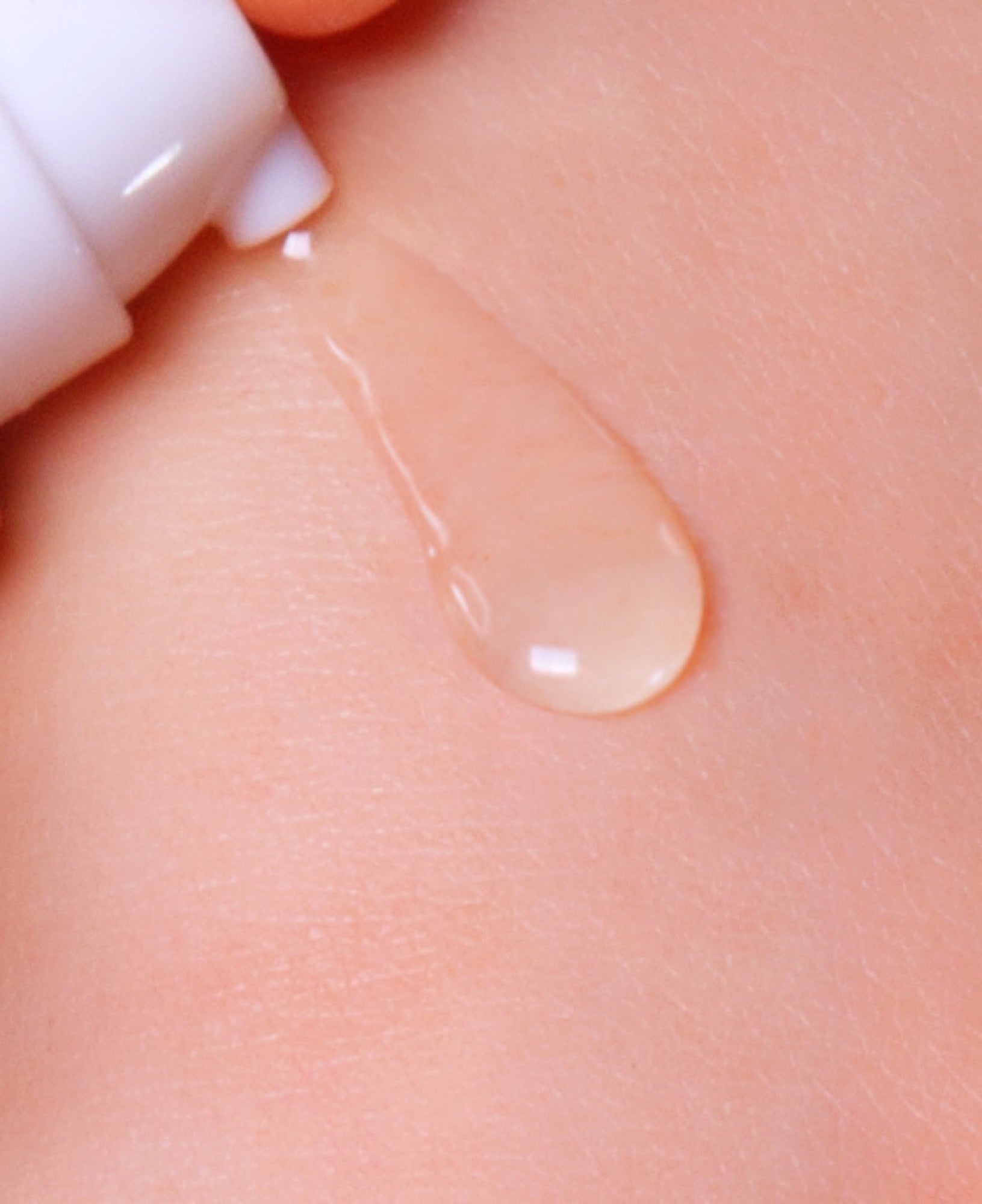
What helps diaper rash, and what should I stop putting on it?
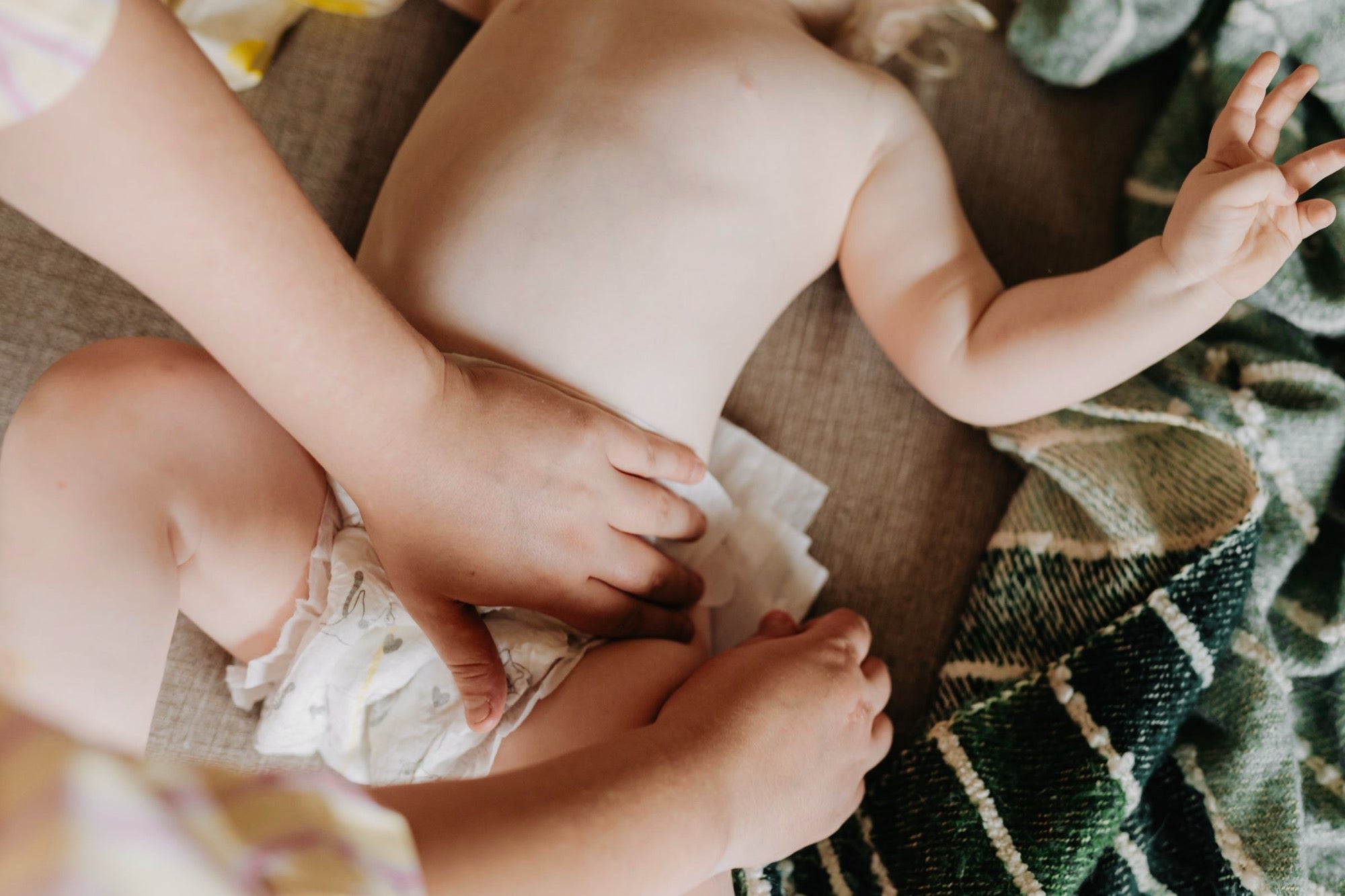
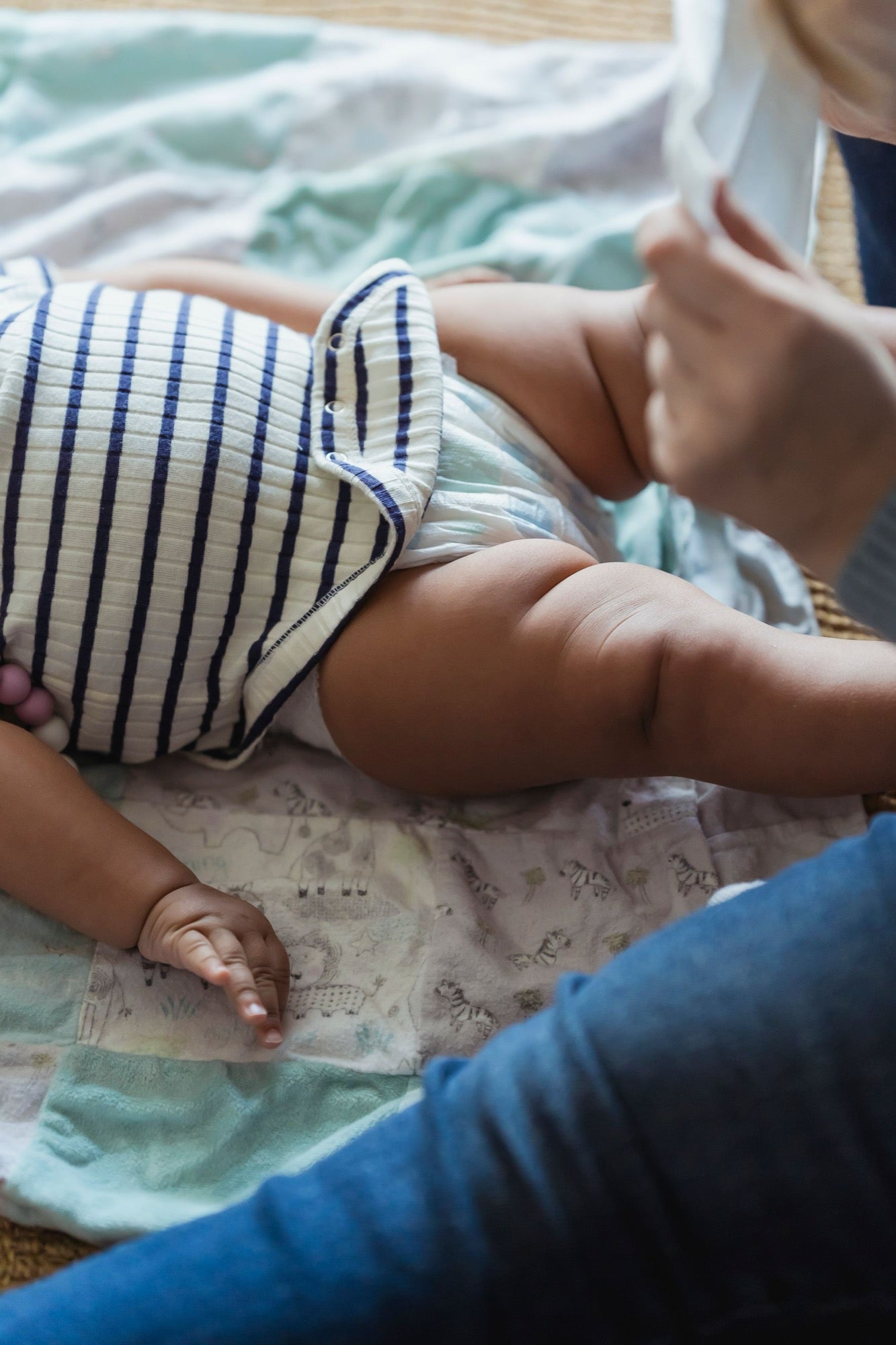
Most diaper rash is irritant contact dermatitis: skin in the diaper area breaks down under moisture, friction and the alkaline mix of urine and stool. What helps is less than the aisle suggests: change diapers often, rinse with warm water and a soft cloth, pat dry, give the skin diaper-free time to air, and protect it at each change with a plain zinc oxide barrier from any shelf. Fragranced wipes, alcohol, scrubbing and layered creams on broken skin tend to make a rash worse. A bright red rash in the folds with small satellite spots can be a yeast (Candida) rash, which a barrier alone does not settle and a pediatrician can treat. This happens to babies with the most attentive care, and frequent changes remain the single most effective step.
Call your pediatrician if the rash is bright red in the folds with small spots around it, is weeping, blistered, bleeding or spreading, comes with a fever, or has not improved after about three days of frequent changes, air time and a barrier.


Every article in this guide

Who it's for: the bath part of the routine, on intact skin.
Bubbly Wash at bath time
Bubbly Wash is a fragrance-free 3-in-1 wash for the bath or a spot-clean, on skin that is intact. For an active rash, the barrier is a plain zinc oxide product from any shelf, and there is no BEB diaper cream on purpose.

Questions parents ask
Is diaper rash my fault?
Diaper rash happens with the most attentive care. Skin in a diaper is warm, damp and rubbed, and a bout of diarrhea, teething, antibiotics or a new food can tip it over. Frequent changes and air time are the strongest protection, and a rash is a signal to adjust the routine.
How do I tell a yeast diaper rash from an ordinary one?
A yeast (Candida) diaper rash is usually bright red, shiny, concentrated in the skin folds, and ringed with small satellite spots beyond the main patch. An ordinary irritant rash spares the folds and looks pink to red on the rounded surfaces that touch the diaper. A yeast rash does not settle with a barrier alone, so a pediatrician can confirm it and prescribe an antifungal cream.
Should I use wipes on a diaper rash?
Warm water and a soft cloth are gentler on a rash than wipes. If you use wipes, choose fragrance-free and alcohol-free ones and pat the skin. Patting dry, or letting the skin air-dry for a minute, matters as much as the cleanse.
What barrier cream works for diaper rash?
A plain zinc oxide barrier, the kind sold on any pharmacy shelf, is the standard for an active rash. Apply a thick layer at each change and leave the residue in place at the next one, wiping only the soiled surface. Fragrance and added actives are not needed on broken skin.
How much diaper-free time helps?
Even 15 to 30 minutes of diaper-free time at a few changes a day lets the skin dry and breathe. Lay your baby on a towel or a waterproof mat and keep the room warm. Air is the cheapest step in diaper care and one of the most effective.
Can I use a baby oil or cream in the diaper area?
No BEB product is for the diaper area or for an active rash. Silky Cream stays off the diaper area in the BEB routine; for a rash the barrier is a plain zinc oxide product from any shelf, and when it is not turning, your pediatrician.