What helps cradle cap, and where do you start?
Cradle cap is the common name for infant seborrheic dermatitis: greasy, yellow or white scale on the scalp that appears in the first weeks and clears by itself over weeks to months. It comes from a newborn's active oil glands and the Malassezia yeast that grows in that oil, so how often a baby is washed has nothing to do with it. The method that helps is gentle: soften the scale with a little oil, wait a few minutes, lift only what comes away with a soft baby brush, then wash the loosened flakes out, and leave stuck scale for the next bath. Picking, scrubbing and adult dandruff shampoos are the moves to skip, since a newborn scalp is thin and the soft spot is close. A fair trial is a few baths to loosen and weeks to clear.
Ask your pediatrician if the scale spreads beyond the scalp widely to the neck, armpit or diaper folds, if the skin under it looks red, swollen, sore or oozing, if the patches look dry and itchy, which can point to eczema, or if it seems to bother your baby, since cradle cap is normally painless.
Who it's for: the soften-and-lift method on a flaky scalp.
Nurturing Oil softens, Bubbly Wash rinses
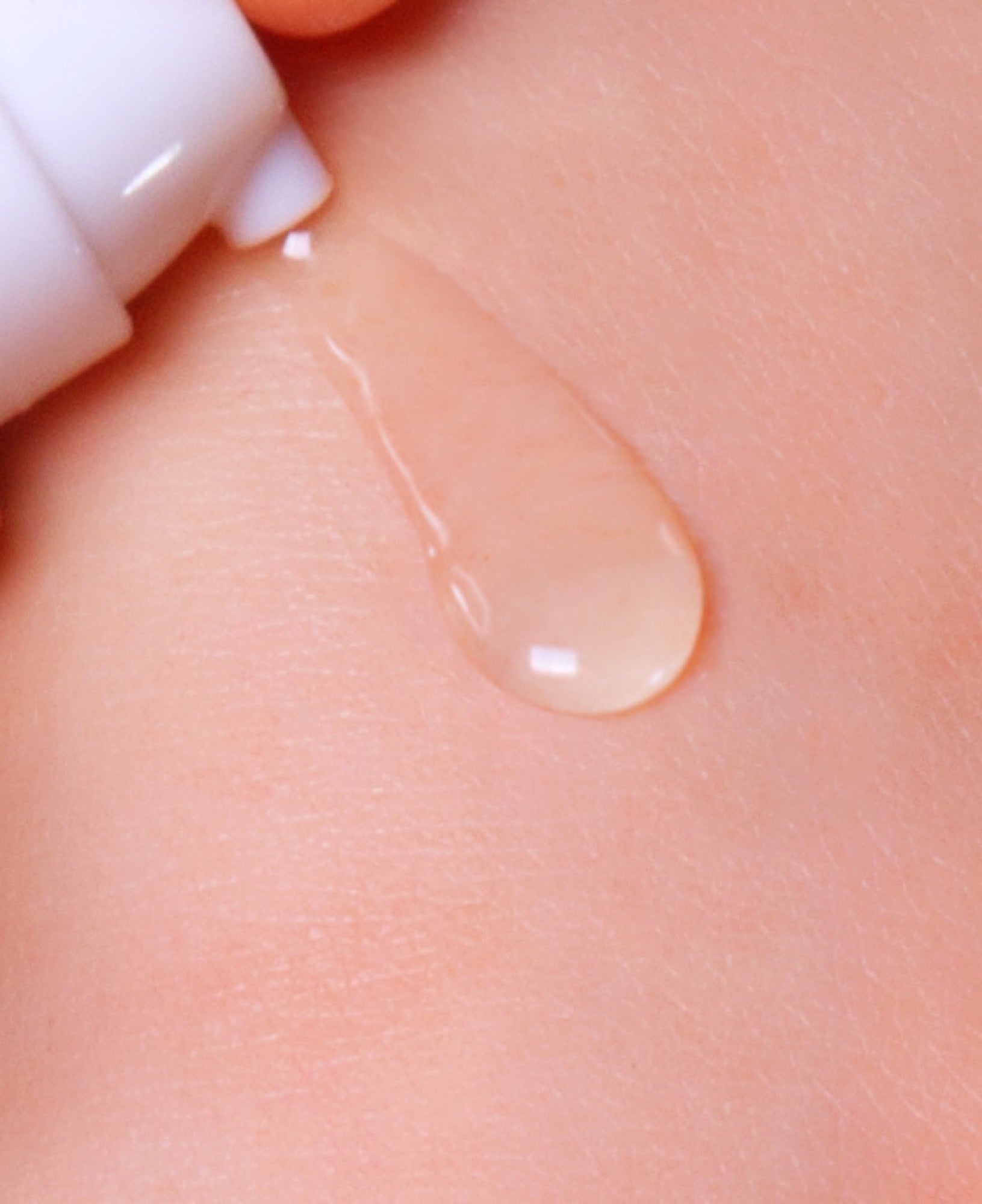
A few drops of Nurturing Oil softens dry, flaky patches before the brush, and Bubbly Wash, which is ophthalmologist tested, carries the loosened flakes away at bath time, two to three times a week.



Questions parents ask
Is cradle cap caused by poor hygiene?
Cradle cap has nothing to do with how often a baby is washed. It comes from the active oil glands of the first months and a yeast called Malassezia that grows naturally in that oil. Babies with attentive, frequent care get it just as often.
How long does cradle cap last?
Most cradle cap clears by itself by six to twelve months, and many cases pass in a few weeks. The scale loosens over a few baths with oil and a soft brush, and the condition itself fades on a slower clock. Flakes that return after a clear stretch are common and do not mean the method failed.
Can I pick the flakes off?
Lift only what comes away without resistance. Picking or scraping stuck scale can break the skin and open the way to infection, and a newborn's soft spot is right underneath. Soften first, brush gently in small circles, and leave the rest for the next bath.
Which oil softens cradle cap?
A light plant oil can soften scale when it is left on for a few minutes before brushing. Apply a small amount to the patches, wait, then lift with a soft brush and wash it out so the oil does not build up on the scalp. Clinicians advise against adult dandruff shampoos for a baby unless they prescribe one.
Is it cradle cap or eczema?
Cradle cap looks greasy, yellowish and scaly and rarely bothers the baby. Scalp eczema tends to look dry, red and itchy and often shows up in the creases of the elbows and knees too. A pediatrician can tell them apart in a visit, and the care plans differ.
How often should I wash a baby's hair with cradle cap?
Two or three times a week is plenty for a baby's scalp, even with cradle cap. Daily washing can dry the scalp and add flaking. Use a fragrance-free wash, rinse well, and brush gently while the hair is damp.