What is baby oil made of, and what should I look for in one?
Baby oil is any oil used on a baby's skin for massage or to seal moisture in after a bath, and the ingredient list, more than the plant in the name, is what tells you how it behaves. Classic baby oil is mineral oil, a refined petroleum-derived oil that forms a light occlusive layer, and plant-based oils are blends of seed and fruit oils each with a distinct fatty-acid profile. In the research on infant skin, the variable that matters is the fatty-acid balance: oils high in linoleic acid, such as sunflower seed oil, are the ones most often suggested for a developing barrier, and the plant's name alone does not tell you that. A good baby oil is fragrance-free, lists every ingredient, says how each oil was prepared, and feels like glide on the skin with no sticky finish. Oil goes on after a moisturizer to seal it in, or alone for massage, warmed in the palms first.


Every article in this guide

Who it's for: the Seal step after the cream, and the massage.
Nurturing Oil, the Seal step
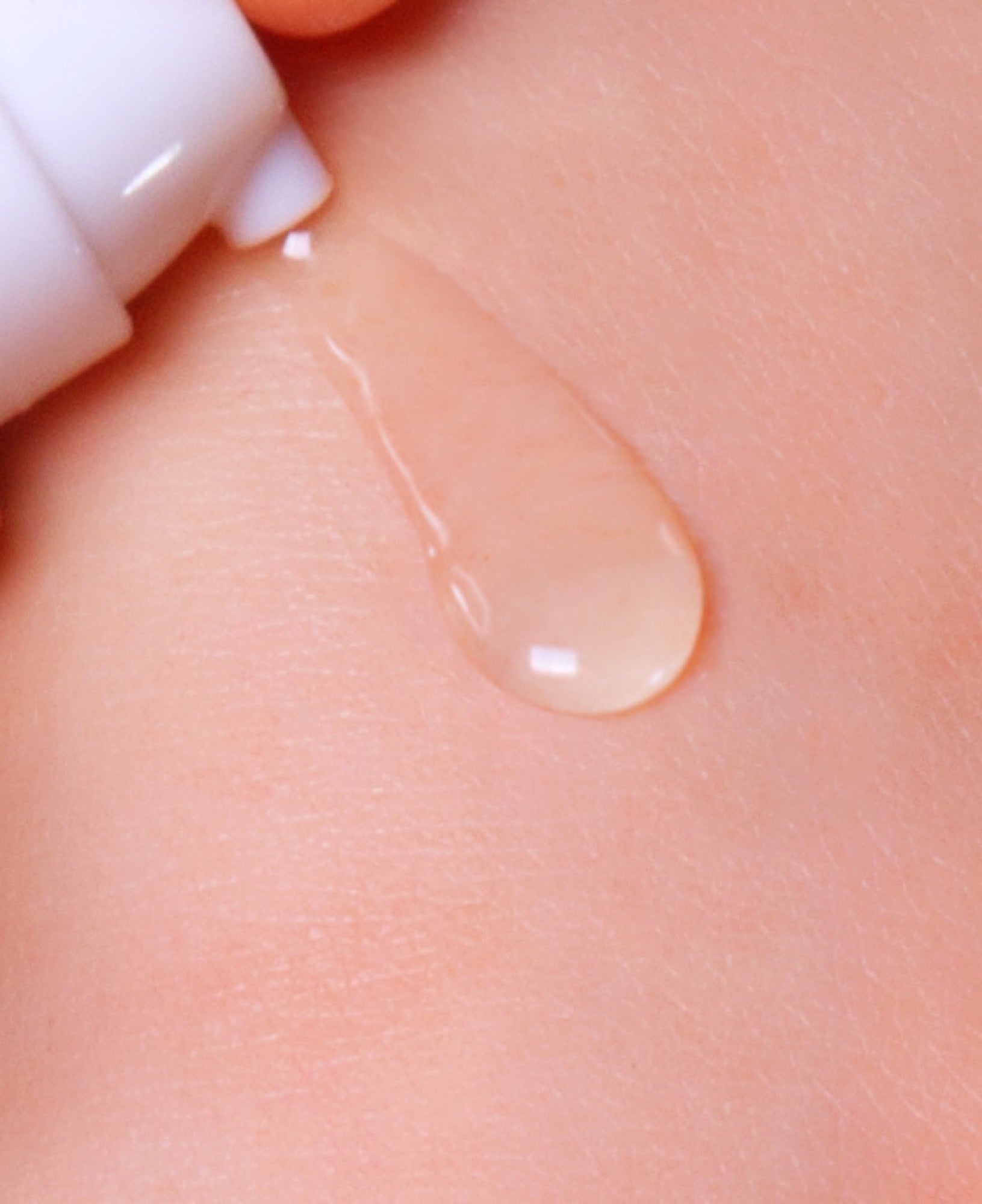
Nurturing Oil is five ingredients: organic sunflower seed oil, organic coconut oil, organic cranberry seed oil, vitamin E and a mild preservation ingredient, fragrance-free, with the subtle cranberry aroma coming from the oil itself; the sunflower and coconut are refined on purpose, which takes out most of the plant protein fragile skin can react to. It is made for glide and for sealing in moisture, warmed in your palms, after Silky Cream or alone for massage.


Questions parents ask
Is mineral oil safe for babies?
Cosmetic-grade mineral oil is a highly refined, inert oil that regulators consider safe on skin, and it has long been the base of classic baby oil. It forms a light occlusive layer and has no fatty acids to offer the skin. Choosing a plant-oil blend is a formulation preference about what an oil contributes, and both kinds should be fragrance-free.
Which plant oil is best for baby skin?
Oils high in linoleic acid, such as sunflower seed oil, are the ones most often suggested for a baby's developing skin barrier in the research on infant massage oils. Oils high in oleic acid, including olive oil, have raised questions in newborn studies about barrier development, so many clinicians steer toward a linoleic-rich oil. A blend balanced for fragile skin, with every oil named, is what to look for.
Should baby oil go on before or after lotion?
After. A moisturizer puts water into the skin, and an oil on top slows that water from evaporating, which is what sealing means. Apply the cream on damp skin within minutes of the bath, then a little oil warmed in your palms.
Why is a refined oil used for babies?
Refining takes out most of the small amount of plant protein that fragile skin can react to and keeps the fats that soften skin and give the glide. The fatty-acid profile each oil is chosen for is essentially unchanged by refining, and the fraction refining reduces, the native vitamin E, is supplied separately in Nurturing Oil through added tocopherol and cranberry seed oil. That is why the sunflower and coconut in it are refined on purpose.
Can baby oil help cradle cap flakes?
A little oil left on a flaky scalp for a few minutes softens the scale so a soft brush can lift what is ready, and a wash then rinses the loosened flakes out. That is a softening job for appearance, and cradle cap clears by itself over weeks to months. Keep the brush gentle and away from the soft spot.
How much oil do I use for a baby massage?
Three or four pumps warmed in your palms covers the body, and one or two does the face. The right amount lets your hands glide without the skin feeling slick; add a little more as the hands slow on dry patches. Any excess absorbs over the next hour.