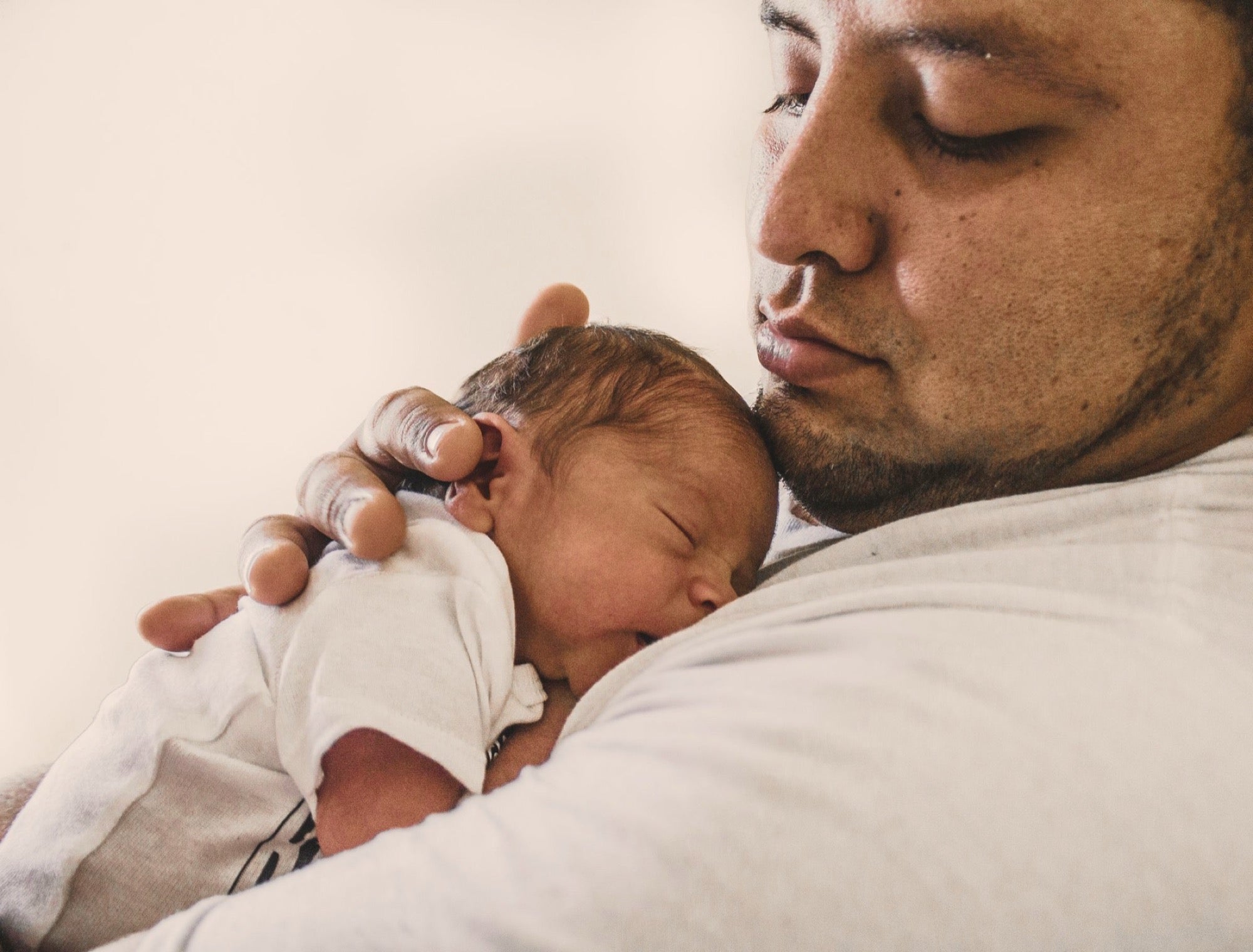
Coming home from the NICU
We are finally home. What do we do now?
However long you waited for this door to close behind you, the monitors and the nurses are now on the other side of it. It can feel like joy and fear in the same breath. That is a very common way to feel, and you already know more about your baby than you think: you learned it at the bedside, in every diaper you changed and every hour your baby spent on your chest.
Explore Coming home from the NICU
The first nights home
Follow the plan your care team sent home with you. It was written for your baby, and it comes first. Everything here works around it.
Your baby already knows you by scent. Skin to skin, with nothing perfumed in between, you are the most familiar thing in a new room.
- Put the discharge instructions where you can see them. Tape the feeding plan, medications and follow-up dates to the fridge.
- Keep the phone numbers close. Your care team's after-hours line belongs next to the instructions, and you can call it about small things.
- Keep doing what you learned in the unit. Skin-to-skin, the way you hold your baby, the order of your care. Your hands learned those there, and they came home with you.
- Let your watching change slowly. Moving from numbers on a screen to the baby in your arms takes time, for almost everyone.
- Set the visitor rules you need. Illness precautions and visiting limits are yours to set, and you can hold them.
- Trade sleep with someone. When someone you trust can hold the baby, go lie down.
When to call
Your discharge instructions list the signs to watch for and the number to call, and that list comes first. Call 911 or go to emergency care straight away for a temperature of 100.4°F (38°C) or higher, trouble breathing, a blue or gray tinge to the lips or skin, a pause in breathing, or a baby you cannot wake for a feed. Call your care team the same day for skin that looks sore, broken or infected, feeding that has dropped off, or anything that worries you.
Skin care, when you are ready
Nothing about skin care has to happen tonight. Ask your care team when bathing can start and what they would like on your baby's skin. Then keep it small and the same each time: a warm cloth or a short bath with Bubbly Wash, with the water checked on your wrist and one hand on your baby the whole time, Silky Cream on dry-feeling skin, Nurturing Oil warmed in your palms if massage has been cleared, and your baby held close.
BEB products are used in hospital NICUs, in use across 300+ hospitals and birthing centers over 11 years.


Tips for skin care at home
The hold you learned at the bedside, still warm hands over head and feet, is already a massage. Start there.
Change one thing at a time, so you can see how your baby's skin takes it.
Keep the room warm and the bath short.
Have everything within reach before you begin.
On the hardest nights, a cuddle alone is still the routine.
Questions
Can we use the same products at home that the NICU used?
If your NICU used BEB, the routine you knew there can come home with you. If it did not, the same steps can start here, once your care team is ready.
Should my baby's milestones line up with the charts?
Many families follow corrected age, counted from the due date, and your care team can tell you how they would like you to track it.
Is it normal to be more scared at home than in the hospital?
Many NICU parents say the first days home are the hardest. If the fear stays or grows, tell your doctor, and look to groups run by and for NICU parents.
Is there more help for NICU families?
TinySteps is our program for your baby's first year home.
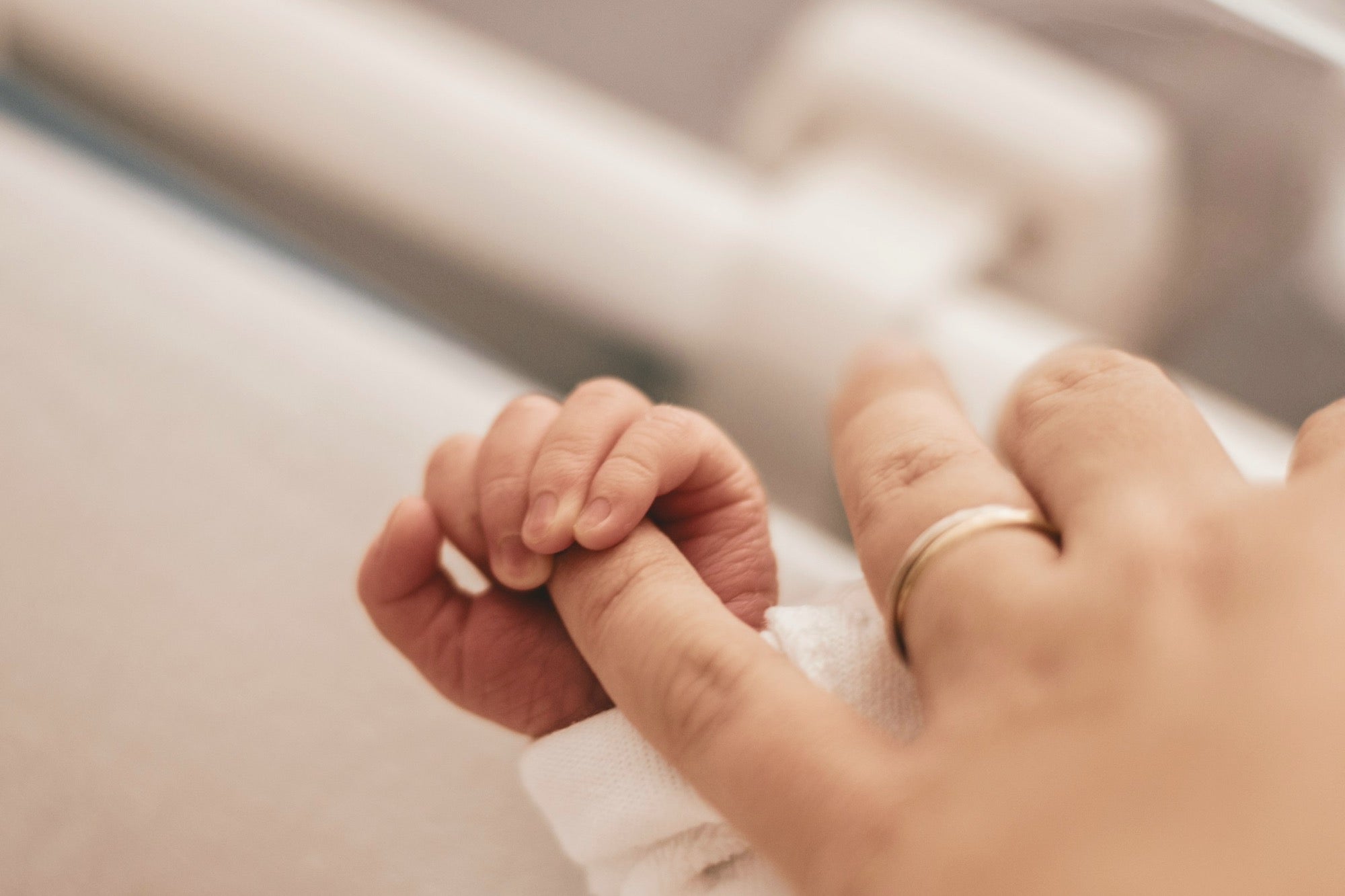
Get the free ebook
Mindful Touch for Babies Born Early, by Kim Walls
- Understand what mindful touch is and why it helps your baby and you.
- Discover techniques for mindfully touching your little one at home or in the NICU.
- Integrate Mindful Touch into your daily life to strengthen yourself, your family, and your community.
We'll send your copy to your inbox.
You'll also receive emails from BEB Organic. Unsubscribe any time.